Regulations on the punishment of managers of state-owned enterprises

  Xinhua News Agency, Beijing, May 28th

Regulations on the punishment of managers of state-owned enterprises

  Chapter I General Provisions

  Article 1 In order to standardize the punishment of managers of state-owned enterprises and strengthen the supervision of managers of state-owned enterprises, these Regulations are formulated in accordance with the Law of People’s Republic of China (PRC) Municipality on Administrative Punishment of Public Officials (hereinafter referred to as the Administrative Punishment Law of Public Officials) and other laws.

  Article 2 The managers of state-owned enterprises mentioned in these Regulations refer to the following public officials in state-funded enterprises:

  (a) personnel who perform the duties of organization, leadership, management and supervision in wholly state-owned companies and enterprises;

  (2) Persons who are nominated, recommended, appointed and approved by party organizations or state organs, wholly state-owned companies, enterprises and institutions, and who perform the duties of organization, leadership, management and supervision in state-owned holding and shareholding companies and their branches;

  (3) Personnel who engage in organization, leadership, management and supervision in state-owned holding and shareholding companies and their branches on their behalf with the approval or research decision of organizations responsible for managing and supervising state-owned assets in state-funded enterprises.

  The organs and units that appoint and remove managers of state-owned enterprises (hereinafter referred to as the appointment and removal organs and units) shall impose sanctions on illegal managers of state-owned enterprises, and the provisions of Chapters II and III of the Law on Administrative Punishment of Public Officials and these Regulations shall apply.

  Article 3 The disciplinary work of managers in state-owned enterprises shall adhere to the leadership of the Communist Party of China (CPC), the principle of the Party governing cadres, strengthen the construction of managers in state-owned enterprises, and promote the high-quality development of state-owned enterprises.

  Article 4 The appointment and removal organs and units shall strengthen the education, management and supervision of the managers of state-owned enterprises. The punishment given to the managers of state-owned enterprises should adhere to fairness and collective discussion and decision; Insist on combining leniency with severity and combining punishment with education; Adhere to the principle of the rule of law, take facts as the basis, take the law as the criterion, and protect the legitimate rights and interests of managers and related personnel of state-owned enterprises according to law.

  Article 5 Institutions that perform the responsibilities of investors or departments with cadre management authority shall, in accordance with laws, regulations and relevant provisions of the state, guide state-owned enterprises to integrate and optimize supervision resources, promote the connection between investor supervision and discipline inspection supervision, patrol supervision, audit supervision, accounting supervision and social supervision, improve a coordinated and efficient supervision mechanism, establish an internal supervision and management system that cooperates with and restricts each other, and enhance the systematicness, pertinence and effectiveness of supervision over state-owned enterprises and their managers.

  Article 6 The punishment given to the managers of state-owned enterprises shall be based on clear facts, conclusive evidence, accurate characterization, proper handling, legal procedures and complete procedures, which shall be appropriate to the nature, circumstances and degree of harm of their illegal acts.

  Chapter II Types and Application of Punishment

  Seventh types of punishment are:

  (1) warning;

  (2) recording a demerit;

  (3) recording gross demerits;

  (4) demotion;

  (5) Dismissal;

  (6) expulsion.

  Article 8 The period of punishment is:

  (1) Warning, 6 months;

  (two) demerit, 12 months;

  (3) Gross demerit, 18 months;

  (4) demotion and dismissal for 24 months.

  The punishment decision shall take effect as of the date when it is made, and the punishment period shall be counted from the date when the punishment decision takes effect.

  Ninth managers of state-owned enterprises have two or more illegal acts that need to be punished at the same time, and their punishments should be determined separately. If the types of punishments that should be given are different, the heaviest punishment shall be implemented; If more than one punishment of the same kind should be given below dismissal, the punishment period may be determined at least one punishment period and less than the sum of multiple punishment periods, but the longest period shall not exceed 48 months.

  Article 10 If a state-owned enterprise commits an illegal act or the decision made collectively by the managers of the state-owned enterprise is illegal and should be investigated for legal responsibility, the leaders who are responsible and the managers of the state-owned enterprise who are directly responsible shall be punished.

  If two or more managers of state-owned enterprises jointly violate the law and need to be punished, they shall be punished accordingly according to their respective responsibilities.

  Eleventh managers of state-owned enterprises in any of the following circumstances, can be given a lighter or mitigated punishment:

  (a) take the initiative to account for the illegal acts that I should be punished;

  (two) to cooperate with the investigation and truthfully explain my illegal facts;

  (three) to report the illegal acts of others, which are verified by investigation;

  (four) take the initiative to take measures to effectively avoid, recover losses or eliminate adverse effects;

  (5) playing a secondary or auxiliary role in joint illegal acts;

  (six) take the initiative to hand in or refund the illegal income;

  (seven) belong to promote the reform of state-owned enterprises due to lack of experience, first try mistakes;

  (eight) other lighter or mitigated circumstances as prescribed by laws and regulations.

  Giving a lighter punishment means giving a lighter punishment within the range of punishment that should be given to the illegal acts stipulated in these regulations.

  Mitigating the punishment refers to reducing the punishment by one file in addition to the punishment range that the illegal acts stipulated in these regulations should be subject to.

  Article 12 If the manager of a state-owned enterprise commits a minor illegal act and falls under one of the circumstances specified in the first paragraph of Article 11 of these Regulations, he may be reminded by conversation, criticized and educated, ordered to check or admonished, exempted or not punished.

  If the managers of state-owned enterprises are held hostage or coerced to participate in illegal activities because they don’t know the truth and do repent after criticism and education, they may be mitigated, exempted or not punished.

  Thirteenth managers of state-owned enterprises in any of the following circumstances, should be given a heavier punishment:

  (1) Whoever intentionally violates the law again during the punishment period shall be punished;

  (two) to prevent others from reporting and providing evidence;

  (three) collusion or forgery, concealment or destruction of evidence;

  (4) shielding the co-conspirators;

  (5) Coercing or instigating others to commit illegal acts;

  (6) Refusing to hand in or refund the illegal income;

  (seven) other aggravating circumstances as prescribed by laws and regulations.

  A heavier punishment refers to a heavier punishment within the range of punishment that should be given to illegal acts stipulated in these regulations.

  Fourteenth managers of state-owned enterprises shall not be promoted to posts, post grades and titles during the punishment period; Among them, those who have been recorded, recorded, demoted or dismissed shall not be promoted to the salary level. Those who have been removed from their posts shall be demoted in their posts or post grades, and their salaries and benefits shall be reduced at the same time. If dismissed, the employer shall terminate the labor contract according to law.

  Article 15 The property illegally obtained by the managers of state-owned enterprises and their own property used for illegal acts shall be returned to the original owners or holders, except for those that should be confiscated, recovered or ordered to make restitution by the relevant authorities according to law.

  The appointment and removal organs and units shall correct the positions, ranks, grades, positions and staff grades, professional titles, treatment, qualifications, academic qualifications, degrees, honors, awards and other benefits obtained by managers of state-owned enterprises due to illegal acts or suggest relevant organs, units and organizations to correct them according to regulations.

  Sixteenth retired managers of state-owned enterprises who have committed illegal acts before or after retirement should be punished, no decision on punishment will be made, but they can be investigated; Those who should be punished by demotion, dismissal or dismissal according to law shall be treated accordingly in accordance with the provisions, and the illegally obtained property and personal property used for illegal acts shall be dealt with in accordance with the provisions of Article 15 of these regulations.

  Chapter III Illegal Acts and Their Applicable Punishment

  Seventeenth managers of state-owned enterprises have one of the following acts, according to the provisions of Article 28 of the Law on Administrative Punishment of Public Officials, be given a demerit or a gross demerit; If the circumstances are serious, he shall be demoted or removed from his post; If the circumstances are serious, be dismissed:

  (1) Spreading remarks that are detrimental to upholding and improving the basic socialist economic system;

  (two) refusing to implement or disguised not to implement the relevant decision-making arrangements for the reform and development of state-owned enterprises and party building;

  (3) Harming national security and national interests in foreign economic cooperation, foreign aid and foreign exchanges.

  Publicly publishing articles, speeches, declarations and statements that oppose the guiding ideology of the country established by the Constitution, the Communist Party of China (CPC)’s leadership, the socialist system and reform and opening up will be dismissed.

  Eighteenth managers of state-owned enterprises have one of the following acts, according to the provisions of Article 30 of the Law on Administrative Punishment of Public Officials, given a warning, demerit or gross demerit; If the circumstances are serious, he shall be demoted or dismissed:

  (a) in violation of the provisions of the decision-making procedures, responsibilities and authority to decide on major decision-making matters of state-owned enterprises, important personnel appointment and removal matters, major project arrangements, large-scale capital operation matters;

  (2) Deliberately evading, interfering with or undermining collective decision-making, and individuals or a few people decide on major decision-making matters, important personnel appointment and dismissal matters, major project arrangements, and large-scale capital operation matters of state-owned enterprises;

  (three) refusing to implement or arbitrarily change the major decisions made by the party committees (groups), shareholders (general meetings), boards of directors, workers’ congresses and other collectives of state-owned enterprises according to law;

  (4) Refusing to implement, or in disguised form, delaying the implementation of decisions made by institutions, industry management departments and other relevant departments that perform the responsibilities of investors according to law.

  Article 19 Managers of state-owned enterprises who commit any of the following acts shall be given a warning, demerit or gross demerit according to the provisions of Article 33 of the Law on Administrative Punishment of Public Officials; If the circumstances are serious, he shall be demoted or removed from his post; If the circumstances are serious, be dismissed:

  (1) Taking advantage of his position, embezzling, stealing, defrauding or illegally occupying or misappropriating the property and customer assets of the enterprise and its affiliated enterprises by other means;

  (2) taking advantage of his position to extort or illegally accept other people’s property and seek benefits for others;

  (3) Bribing bribes to state organs, state-funded enterprises, institutions and people’s organizations, or to state employees, employees of enterprises or other units, foreign public officials and officials of public international organizations for the purpose of seeking illegitimate interests;

  (4) Taking advantage of the influence of authority or position, in violation of regulations, seeking personal gain for himself or others in major matters concerning the rights and interests of investors of state-owned assets in enterprises, as well as in engineering construction, asset disposal, publication and distribution, bidding and other activities;

  (5) conniving at or acquiescing in the personal gain of a specific related person by taking advantage of the influence of his own authority or position in major matters concerning the rights and interests of investors in state-owned assets and in the business management activities of the enterprise;

  (six) in violation of regulations, privately divide the state-owned assets to individuals in the name of the unit.

  Those who refuse to correct a specific related person for holding a post, taking a part-time job or engaging in business activities in violation of regulations, and do not obey the post adjustment, shall be removed from their posts.

  Article 20 If the manager of a state-owned enterprise commits any of the following acts, he shall be warned, given a demerit or given a serious demerit according to the provisions of Article 35 of the Law on Administrative Punishment of Public Officials; If the circumstances are serious, he shall be demoted or dismissed:

  (1) Exceeding the total wages or paying wages, or setting and distributing wage income in other forms such as allowances, subsidies and bonuses in addition to the total wages;

  (two) the total wage budget management is not implemented, or the total wage filing or approval procedures are not fulfilled as required;

  (three) in violation of regulations, self salary, incentives, allowances, subsidies and other welfare monetary income;

  (four) in training activities, office space, official vehicles, business entertainment, travel expenses and other aspects beyond the prescribed standards and scope;

  (five) public travel or disguised public travel in the name of study and training, investigation and research, and employee recuperation.

  Twenty-first managers of state-owned enterprises who commit any of the following acts shall be given a warning, demerit or gross demerit according to the provisions of Article 36 of the Law on Administrative Punishment of Public Officials; If the circumstances are serious, he shall be demoted or removed from his post; If the circumstances are serious, be dismissed:

  (a) in violation of regulations, individuals run enterprises through business, own shares or securities of unlisted companies (enterprises), engage in paid intermediary activities, register companies outside the country (territory) or invest in shares and other profit-making activities;

  (2) Taking advantage of his position to run an enterprise similar to the enterprise he works for for others;

  (three) in violation of regulations, without approval in the enterprise funded by the enterprise or other enterprises, institutions, social organizations, intermediaries, international organizations, etc.;

  (four) approved to work part-time, but in violation of regulations to receive salary or other income;

  (five) the use of enterprise insider information or other undisclosed information, business secrets, intangible assets, etc. for personal gain.

  Article 22 If the managers of state-owned enterprises infringe upon the legitimate rights and interests of the clients or social public interests in the course of performing their duties of providing social public services, and are verified by the regulatory authorities and put forward suggestions for punishment, they shall be given a warning, demerit or gross demerit according to the provisions of Article 38 of the Law on Administrative Punishment of Public Officials; If the circumstances are serious, he shall be demoted or removed from his post; If the circumstances are particularly serious, they will be expelled.

  Article 23 If the managers of state-owned enterprises commit any of the following acts, resulting in the loss of state-owned assets or other serious adverse consequences, they shall be given a warning, demerit or gross demerit according to the provisions of Article 39 of the Law on Administrative Punishment of Public Officials; If the circumstances are serious, he shall be demoted or removed from his post; If the circumstances are serious, be dismissed:

  (1) Interception, occupation, misappropriation or default of budgetary revenues that should be turned over to the state treasury;

  (two) in violation of regulations, do not perform or do not correctly perform the duties of investment management;

  (three) in violation of regulations, related transactions, financing trade, false transactions, false joint ventures, affiliated operations and other activities;

  (4) Failing to register or failing to register the property rights of state-owned assets within the time limit prescribed by the state, or forging, altering, leasing, lending or selling the property rights registration certificate (form) of state-owned assets;

  (five) refusing to provide relevant information or compiling false data, resulting in distortion of the performance evaluation results of state-owned enterprises;

  (6) Concealing the real situation of the enterprise, failing to truthfully provide relevant information and materials to intermediary service institutions such as accounting firms, law firms and asset appraisal institutions, or colluding with intermediary service institutions such as accounting firms, law firms and asset appraisal institutions to falsify.

  Twenty-fourth managers of state-owned enterprises who commit any of the following acts shall be given a warning, demerit or gross demerit according to the provisions of Article 39 of the Law on Administrative Punishment of Public Officials; If the circumstances are serious, he shall be demoted or removed from his post; If the circumstances are serious, be dismissed:

  (1) Money laundering or participating in money laundering;

  (2) Absorbing clients’ funds without accounting, illegally absorbing public deposits or absorbing public deposits in disguised form, and participating in private lending in violation of regulations or in disguised form;

  (3) Issuing loans in violation of regulations, or writing off bad debts and disposing of non-performing assets by reducing, suspending, reducing, deferring, and extending the loan principal;

  (4) Issuing financial bills and providing guarantees in violation of regulations, and accepting, paying or guaranteeing illegal bills;

  (five) in violation of the fiduciary duty, unauthorized use of client funds or other entrusted or trusted assets;

  (6) Forging or altering currency, precious metals, financial bills or securities issued by the state;

  (7) Forging, altering, transferring, leasing or lending business licenses or approval documents of financial institutions, and establishing financial institutions and issuing stocks or bonds without approval;

  (8) fabricating and disseminating false information that affects securities and futures trading, manipulating the securities and futures markets, providing false information or forging, altering or destroying trading records to trick investors into buying and selling securities and futures contracts;

  (9) Making false claims or participating in insurance fraud;

  (ten) stealing, buying or illegally providing other people’s credit card information and other citizens’ personal information.

  Twenty-fifth state-owned enterprise managers have one of the following acts, resulting in adverse consequences or influence, according to the provisions of Article 39 of the Law on Administrative Punishment of Public Officials, given a warning, demerit or gross demerit; If the circumstances are serious, he shall be demoted or removed from his post; If the circumstances are serious, be dismissed:

  (1) divulging the inside information or business secrets of the enterprise;

  (2) Forging, altering, transferring, leasing or lending administrative license certificates and qualification certificates, or leasing or lending the name of a state-owned enterprise or the font size in the enterprise name;

  (three) in violation of regulations, borrowing or borrowing local government debts in disguise;

  (four) in violation of regulations outside People’s Republic of China (PRC), causing major engineering quality problems, causing major labor disputes or other serious consequences;

  (five) failure to perform or fail to perform the duties of safety production management according to law, resulting in production safety accidents;

  (6) Formalistic and bureaucratic behaviors such as perfunctory response, buck passing, or one-sided understanding, mechanical implementation of the party and state line, principles and policies, and major decision-making arrangements;

  (7) Refusing, obstructing or delaying the work of investor supervision, audit supervision and accounting supervision carried out according to law, or refusing to rectify the problems found by investor supervision, audit supervision and accounting supervision, prevaricating and making false rectification;

  (eight) do not provide relevant information, submit relevant reports or fulfill the obligation of information disclosure, or cooperate with other subjects to engage in illegal acts;

  (nine) do not perform their statutory duties or illegally exercise their functions and powers, infringing upon the legitimate rights and interests of workers;

  (ten) in violation of regulations, refuse or delay the payment of small and medium-sized enterprises, wages of migrant workers, etc.;

  (eleven) instigating, instigating, forcing, conniving, shielding subordinates in violation of laws and regulations.

  Chapter IV Procedure of Punishment

  Article 26 The appointment and removal organs and units shall, in accordance with the cadre management authority, punish the managers of state-owned enterprises who commit illegal acts as stipulated in the Law on Administrative Punishment of Public Officials and these Regulations according to law, so as to protect the legitimate rights and interests of the managers of state-owned enterprises and related personnel.

  The appointment and removal organs and units shall, in combination with the organizational forms and organizations of state-owned enterprises and other actual conditions, clearly define the internal departments or institutions (hereinafter referred to as the undertaking departments) that undertake the disciplinary work of managers of state-owned enterprises, their responsibilities, authorities and operational mechanisms.

  Article 27 The investigation and handling of managers of state-owned enterprises suspected of violating the law shall be carried out by two or more staff members, and shall be handled according to the following procedures:

  (a) with the consent of the person in charge of the appointment and removal organ or unit, the undertaking department shall make a preliminary verification of the clues that need to be investigated and handled;

  (II) After preliminary verification, if the undertaking department thinks that the manager of the state-owned enterprise is suspected of violating the Law on Administrative Punishment of Public Officials and the provisions of this Ordinance and needs further verification, it shall file a case with the approval of the principal responsible person of the appointment and removal organ or unit, inform the manager of the state-owned enterprise under investigation in writing (hereinafter referred to as the respondent) and his unit, and notify the supervisory organ with management authority;

  (3) The undertaking department is responsible for further investigating the illegal acts of the investigated person, collecting and verifying relevant evidential materials, obtaining information from relevant units and personnel, forming a written investigation report, and reporting to the person in charge of the appointment and removal organ or unit, and the relevant units and individuals shall truthfully provide information;

  (4) The undertaking department will inform the investigated person of the facts found in the investigation and the basis for the proposed punishment, listen to their statements and arguments, and verify and record the facts, reasons and evidence presented by them. If the facts, reasons and evidence presented by the investigated person are established, they shall be adopted;

  (5) The undertaking department shall, after examination, put forward suggestions for handling, report to the leading members of the appointment and removal organs and units for collective discussion according to procedures, make a decision on giving punishment, exempting punishment, not giving punishment or withdrawing the case to the person under investigation, and notify the supervisory organ with management authority;

  (6) The appointment and removal organ or unit shall, within one month from the date of making the decision in Item 5, Paragraph 1 of this Article, notify the person under investigation and his unit in writing of the decision to punish, exempt from punishment, refuse to punish or dismiss the case, and announce it within a certain range. If it involves state secrets, commercial secrets or personal privacy, it shall be handled in accordance with relevant state regulations;

  (seven) the undertaking department shall put the relevant decisions and implementation materials into the personal files of the investigated person, and at the same time collect relevant materials to form the working files of the punishment case.

  It is strictly forbidden to collect evidence by threats, temptations, deception and other illegal means. Evidence collected by illegal means shall not be used as the basis for punishment. The punishment shall not be aggravated because of the respondent’s defense.

  Twenty-eighth major illegal cases in the investigation process, if necessary, you can ask the supervisory organs with management authority to provide necessary support.

  If the illegal situation is complex, involves a wide range or has a significant impact, and it is difficult for the appointment and removal organ or unit to investigate and verify, with the consent of the person in charge of the appointment and removal organ or unit, the supervisory organ with management authority can be consulted for handling.

  Twenty-ninth to punish the managers of state-owned enterprises, it shall make a decision within 6 months from the date of filing the case; If the case is complicated or there are other special circumstances, it may be appropriately extended with the approval of the principal responsible person of the appointment and removal organ or unit, but the extension period shall not exceed 6 months.

  Thirtieth decided to give punishment, it shall make a written decision on punishment.

  The written decision on punishment shall specify the following items:

  (a) the name, work unit and position of the manager of the state-owned enterprise (hereinafter referred to as the punished person);

  (2) Illegal facts and evidence;

  (three) the types and basis of punishment;

  (four) refuses to accept the punishment decision, the way and time limit for applying for review and appeal;

  (five) the name and date of the organ or unit that made the decision on punishment.

  The written decision on punishment shall be stamped with the seal of the organ or unit that made the decision.

  Thirty-first people involved in the investigation and handling of illegal cases of managers of state-owned enterprises shall voluntarily withdraw under any of the following circumstances, and the respondents, prosecutors and other relevant personnel may ask them to withdraw:

  (1) Being a close relative of the respondent or the prosecutor;

  (2) Having served as a witness in this case;

  (3) He or his close relatives have an interest in the case under investigation;

  (four) other circumstances that may affect the impartial investigation and handling of the case.

  The withdrawal of the principal person in charge of the appointment and removal organ or unit shall be decided by the person in charge of the organ or unit at the next higher level; The withdrawal of other personnel involved in the investigation and handling of illegal cases shall be decided by the person in charge of the appointment and removal organ or unit.

  If the appointment and removal organ or unit finds that the personnel involved in the disciplinary work should be avoided, it can directly decide that the personnel should be avoided.

  Article 32 If the managers of state-owned enterprises are investigated for criminal responsibility according to law, the appointment and removal organs and units shall be punished according to the effective judgments, rulings and decisions of judicial organs and the facts and circumstances identified.

  If the managers of state-owned enterprises are subject to administrative punishment according to law and should be punished, the appointment and removal organs and units can be punished according to the facts and circumstances determined by the effective administrative punishment decision after verification.

  After the appointment and removal organ or unit makes a decision on punishment according to the provisions of the first and second paragraphs of this article, if the judicial organ or administrative organ changes the original effective judgment, ruling or decision according to law, which has an impact on the original decision on punishment, the appointment and removal organ or unit shall make corresponding treatment again according to the changed judgment, ruling or decision.

  Article 33 Where an appointment and removal organ or unit punishes the managers of state-owned enterprises who are deputies to people’s congresses at all levels or members of committees at all levels of the China People’s Political Consultative Conference, it shall notify the relevant Standing Committee of the People’s Congress, the Presidium of the People’s Congress of townships, nationality townships and towns or the Standing Committee of the People’s Political Consultative Conference of China.

  Article 34 If the managers of state-owned enterprises are suspected of violating the law and have been placed on file for investigation, it is not appropriate to continue to perform their duties, the appointment and removal organs and units may decide to suspend them from performing their duties. Managers of state-owned enterprises shall not leave the country or resign from public office without the consent of the appointment and removal organ or unit that decided to file the case during the investigation; Their appointment and removal organs and units, as well as organs and units at higher levels, shall not exchange, promote, reward or go through retirement procedures.

  Article 35 If it is found in the investigation that the managers of state-owned enterprises have suffered false reports, false accusations, frame-ups, insults and slanders for performing their duties according to law, resulting in adverse effects, the appointment and removal organs and units shall promptly clarify the facts, restore their reputations and eliminate the adverse effects in accordance with regulations.

  Article 36 If the managers of state-owned enterprises are punished by demotion, dismissal or dismissal, the relevant personnel departments shall, within one month after the decision is made, handle the procedures for changing their posts, positions, wages and other relevant benefits according to the management authority, and change or terminate the labor contract according to law; Under special circumstances, with the approval of the principal responsible person of the appointment and removal organ or unit, the processing period may be appropriately extended, but the longest period shall not exceed 6 months.

  Thirty-seventh managers of state-owned enterprises who have been punished other than dismissal, show repentance during the period of punishment, and there is no illegal situation that should be punished again, the punishment will be automatically lifted after the expiration of the punishment period.

  After the punishment is lifted, the post, rank, level, post and staff level, professional title and salary level of assessment and promotion will no longer be affected by the original punishment. However, the post, rank, grade, post and staff grade, professional title, salary and treatment grade, etc. before being punished are not restored.

  The appointment and removal organs and units shall, in accordance with the relevant provisions of the state, correctly treat and rationally use the managers of state-owned enterprises who have been punished, adhere to paying equal attention to incentives and supervision, and create a good environment for entrepreneurs.

  Chapter V Review and Appeal

  Article 38 If the person being punished refuses to accept the punishment decision, he may, within one month from the date of receiving the punishment decision, apply to the appointment and removal organ or unit that made the punishment decision (hereinafter referred to as the original punishment decision unit) for review. The original punishment decision unit shall make a review decision within 1 month after receiving the application for review.

  If the person being punished delays the application period for review due to irresistible reasons or other legitimate reasons, he may apply for an extension of the time limit within 10 working days after the obstacle is removed; Whether to approve or not shall be decided by the original punishment decision unit.

  Thirty-ninth people who are still dissatisfied with the review decision can appeal to the higher authorities and units within one month from the date of receiving the review decision. The organ or unit that accepts the complaint (hereinafter referred to as the complaint organ) shall make a decision within 2 months from the date of acceptance; If the case is complicated, it may be appropriately extended, but the extension period shall not exceed one month at most.

  If the person who has been punished delays the application period for appeal due to irresistible reasons or other legitimate reasons, he may apply for an extension of the time limit within 10 working days after the obstacle is removed; Whether to approve or not shall be decided by the appeal organ.

  Article 40 After the original punishment decision-making unit receives the application for review and the appeal organ accepts the appeal, the relevant undertaking department shall set up a working group to read the original case materials, and if necessary, conduct an investigation, collect and verify relevant evidence materials, and get to know the situation from the relevant units and personnel. The working group shall study collectively, put forward opinions on handling, report to the original punishment decision unit and the leading members of the appeal organ for collective discussion to make a review and appeal decision, and notify the supervisory organ with management authority. The decision of review and appeal shall be notified in writing to the punished person and his unit within 1 month from the date of making it, and announced within a certain range; Involving state secrets, commercial secrets or personal privacy, it shall be handled in accordance with relevant state regulations.

  During the period of review and appeal, the execution of the original punishment decision shall not be stopped.

  Managers of state-owned enterprises are not subject to heavier punishment because they file a review or appeal.

  Adhere to the separation of review and appeal from the original investigation, and the original investigation and contractor shall not participate in the review and appeal.

  Article 41 If an appointment and removal organ or unit finds that the punishment decision made by the organ, the unit or the lower-level organ or unit is indeed wrong, it shall promptly correct it or order the lower-level organ or unit to correct it in time.

  If the supervisory organ finds that the appointment and removal organ or unit should be punished but fails to give it, or the punishment given is illegal or improper, and puts forward supervision suggestions according to law, the appointment and removal organ or unit shall adopt it and inform the supervisory organ of the implementation, and shall explain the reasons if it is not adopted.

  Forty-second in any of the following circumstances, the original punishment decision unit and the appeal organ shall revoke the original punishment decision and make a new decision, or the appeal organ shall order the original punishment decision unit to make a new decision:

  (a) the illegal facts on which the punishment is based are unclear or the evidence is insufficient;

  (two) in violation of the procedures stipulated in these regulations, affecting the fair handling of cases;

  (three) beyond the authority or abuse of power to make a disciplinary decision.

  Forty-third in any of the following circumstances, the original punishment decision unit and the appeal organ shall change the original punishment decision, or the appeal organ shall order the original punishment decision unit to change it:

  (a) the application of laws and regulations is indeed wrong;

  (2) There is indeed an error in the determination of the circumstances of the illegal act;

  (3) Improper punishment.

  Forty-fourth the original punishment decision unit and the appeal organ think that the facts of the punishment decision are clear and the applicable law is correct, and they should be maintained.

  Article 45 If the decision on the punishment of the managers of state-owned enterprises is changed and it is necessary to adjust the positions, post grades, salary and treatment grades of the managers of the state-owned enterprises, it shall be adjusted in accordance with the provisions. If the punishment decision of the managers of state-owned enterprises is revoked and it is necessary to restore the positions, post grades and salary levels of the managers of the state-owned enterprises, corresponding positions and posts shall be arranged according to the original positions and post grades, and their reputations shall be restored within the scope of the announcement of the original punishment decision.

  Management personnel of state-owned enterprises whose punishment is revoked or mitigated due to the circumstances stipulated in Article 42 and Article 43 of this Ordinance shall be appropriately compensated for the loss of their remuneration and benefits in combination with their actual performance and performance contribution.

  The decision to maintain, change or cancel the punishment shall be served and announced in accordance with the provisions of Item 6, Paragraph 1, Article 27 of these Regulations within 1 month after it is made, and shall be deposited in the file of the person being punished.

  Chapter VI Legal Liability

  Article 46 If the appointment and removal organs, units and their staff members are under the circumstances stipulated in Articles 61 and 63 of the Law on Administrative Punishment of Public Officials in the disciplinary work of managers of state-owned enterprises, the responsible leaders and directly responsible personnel shall be dealt with according to the provisions of the Law on Administrative Punishment of Public Officials.

  Article 47 If the relevant organs, units, organizations or personnel refuse to carry out the punishment decision or have the circumstances stipulated in Article 62 of the Law on Administrative Punishment of Public Officials, they shall be dealt with by their superior organs, competent departments, institutions that perform the responsibilities of investors or appointment and removal organs and units in accordance with the provisions of the Law on Administrative Punishment of Public Officials.

  Forty-eighth relevant units or individuals who distort or fabricate facts and falsely accuse or frame managers of state-owned enterprises by means of reporting shall bear legal responsibilities according to law.

  Forty-ninth in violation of the provisions of this Ordinance, which constitutes a crime, shall be investigated for criminal responsibility according to law.

  Chapter VII Supplementary Provisions

  Article 50 Where the State has other provisions on the accountability of managers of illegal financial and cultural state-owned enterprises, they shall also apply.

  Fifty-first before the implementation of these regulations, if a case that has been closed needs to be reviewed and appealed, the provisions at that time shall apply. For cases that have not been closed, if the provisions at the time of the act are not considered illegal, the provisions at that time shall apply; If the provisions at the time of the act are considered illegal, it shall be dealt with in accordance with the provisions at that time, but if these regulations are not considered illegal or dealt with lightly according to these regulations, these regulations shall apply.

  Article 52 These Regulations shall come into force as of September 1, 2024.

The Supreme People’s Procuratorate Interprets the Typical Case of "Procuratorial Public Interest Litigation Helps River Basin Ecological Environment Protection and Governance"

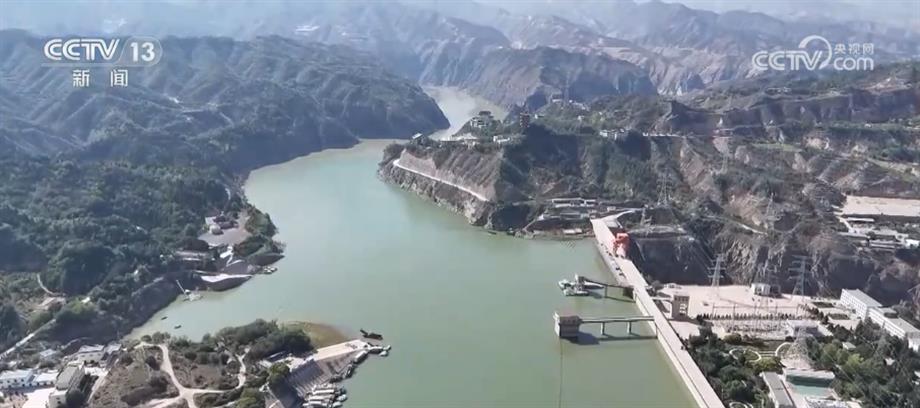
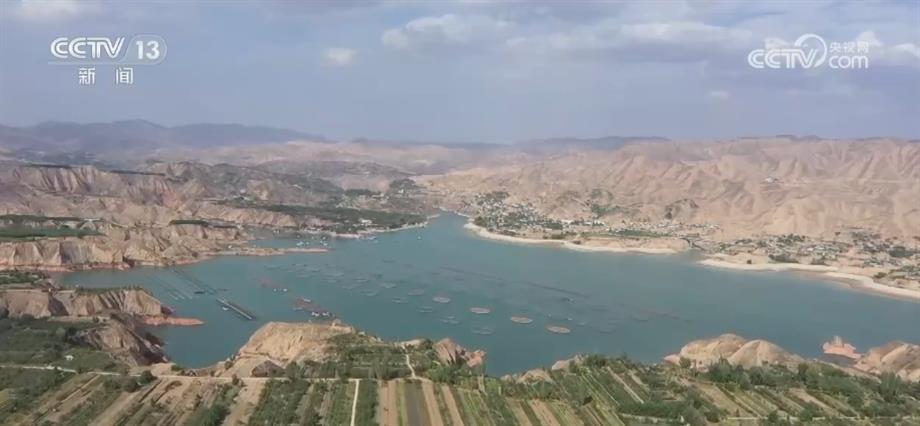
  Cctv newsA few days ago, the Supreme People’s Procuratorate released a number of typical cases of procuratorial public interest litigation to help river basin ecological environment protection and governance, further deepening the handling of public interest litigation cases of river basin ecological environment protection and governance. Where is the difficulty in the protection and management of river basin ecological environment? What are the characteristics of these typical cases? The head of the Eighth Procuratorate of the Supreme People’s Procuratorate answered the reporter’s question.

  1. What are the particularities of watershed ecological environment protection and governance? How does procuratorial public interest litigation play its role?

  A:Rivers, lakes and reservoirs are an important part of ecosystem and national space, and also the basic support of economic and social development. The protection and management of river basin ecological environment is unique;The first is integrity.The river basin is a complete, independent and highly integrated natural area from the source to the estuary, which includes various ecological elements such as mountains, rivers, fields, lakes, grass and sand. The natural ecology of the river basin is holistic, systematic and has its inherent laws.The second is synergy.River basins often involve different administrative areas, but their boundaries are different from those of traditional administrative areas, involving the upper and lower reaches of rivers, the left and right banks and nearby areas, so it is easy to form a situation in which the upper and lower reaches are different, the left and right banks are out of sync, and "Jiulong Water Control" occurs.The third is complexity.River basin is a compound region composed of physical geography and economic and social development, and the river basin ecosystem is the material basis for human survival and development and the sustainable development of regional economy. Different carrying capacity of resources and environment and different stages of development lead to different ways and efforts to balance ecological functions and economic society. The above characteristics determine that the river basin ecological environment management must be a long-term, complex and arduous systematic project. It is necessary to consider the relationship between natural resource elements and ecosystems, the relationship between man and nature, the relationship between regional coordination and river basin system management, and the relationship between ecological environment protection and sustainable economic and social development, so as to promote the coordination between local and overall situation, the integration of temporary and permanent solutions, and the combination of current and long-term development.

  The party and the state have always attached great importance to the protection and governance of great rivers and lakes. General Secretary of the Supreme Leader visited rivers and lakes many times and personally planned to promote ecological environment protection and high-quality development in river basins. Procuratorial organs adhere to the guidance of the supreme leader’s ecological civilization thought and the supreme leader’s rule of law thought, uphold systematic thinking, adhere to collaborative governance, give full play to the role of public interest litigation in urging coordination and ensuring the rule of law, and promote comprehensive management, systematic management and source management of river basin ecological environment protection.First, the overall promotion is based on the management of large rivers and basins.The Supreme People’s Procuratorate established and held four consecutive procuratorial forums for the development of the Yangtze River Economic Belt, and introduced 10 procuratorial measures to serve the development of the Yangtze River Economic Belt, pragmatically deepening the procuratorial cooperation in the Yangtze River Basin; We formulated 18 opinions on serving the ecological protection and high-quality development of the Yellow River Basin, and jointly launched special actions such as "cleaning up the four chaos, protecting the mother river" and "protecting the water resources of the Yellow River Basin" with the Ministry of Water Resources, and held the first national strategic procuratorial forum on service guarantee for the Yellow River to jointly protect the An Lan of the Yellow River.The second is to further advance the handling of major cases as an incision.The waters of Wanfeng Lake and Nansi Lake connect many provinces, and the upstream and downstream, the left and right banks are treated differently. The pollution has been for many years, and the highest inspection directly filed a case. The four-level procuratorate joined forces to promote local governments to jointly govern. In view of the problem of ship pollution along the Yangtze River that has been reflected for many years, the Supreme People’s Procuratorate directly filed a case with public interest litigation, and more than 550 cases were filed, which promoted multi-sectoral coordination and basin-wide linkage management.The third is to promote synergy with the goal of system governance.We will give full play to the role of integrated case handling, cross-regional procuratorial cooperation and special supervision activities, solve the problem of "Jiulong Water Control" in rivers, lakes and reservoirs, and promote the integrated protection of grass and sand in mountains, rivers, fields, lakes and reservoirs. Adhere to collaborative governance, and promote the solution of universal problems of river basin ecological environmental protection by issuing procuratorial suggestions on social governance and "procuratorial suggestions+research reports" and boosting industry governance. Strengthen the joint efforts of "procuratorial+administrative" to perform their duties, deepen the mechanism of "river (lake) leader+procurator-general", and create a new model to solve outstanding problems in the field of river and lake management and protection.

  2. What are the main considerations for publishing these typical cases of procuratorial public interest litigation to help protect and manage the ecological environment of the river basin?

  A:In this special issue, a typical case of procuratorial public interest litigation helping watershed ecological environment protection and governance is released, mainly considering the following factors:First, deepen the handling of public interest litigation cases for river basin ecological environment protection and governance.The characteristics and problems of river basin ecological environment protection and governance are unique. Procuratorial organs constantly explore innovative working methods and mechanisms in helping river basin ecological environment protection and governance, and have achieved positive results and accumulated rich practical experience. The release of a number of typical cases through selection is not only a summary of the experience and practice of handling cases in various places in practice, but also a redeployment and further promotion of the procuratorial work of public interest litigation in river basin ecological environment protection and governance.The second is to play the guiding role of typical cases.The protection and management of river basin ecological environment involves many departments, a wide range of fields and complicated reasons, and most of them are "long-standing problems" and "hard bones", which are difficult to handle. The illegality and basin nature of the problems supervised by these typical cases are obvious. The performance of duties and the effectiveness of handling cases reflect the unique value of the procuratorial public interest litigation system, which plays a normative role in guiding the procuratorial organs to handle cases in the field of river basin ecological environment protection and governance, helps to improve the accuracy and standardization of handling cases, and promotes the implementation of the requirements of "running every public interest litigation case well with high quality and efficiency".The third is to play the role of case interpretation.The protection and management of ecological environment in rivers, lakes and reservoirs need to unite all forces and work together in many ways. By publishing these typical cases, we will enhance the attention and recognition of all sectors of society on the procuratorial public interest litigation of river basin ecological environment protection and governance, and stimulate the endogenous motivation of the whole society to actively participate in the protection and governance of rivers and lakes.

  3. What are the characteristics of the typical cases published in this batch?

  A:This time, the Supreme People’s Procuratorate issued seven typical cases of procuratorial public interest litigation to help protect and control the ecological environment of the river basin, involving illegal over-exploitation of groundwater, destruction of mangrove wetlands, illegal discharge of water ecological flow, ship pollution, aquaculture pollution, black and odorous water pollution and other issues. The characteristics of these typical cases are:

  The first is to deepen the performance of procuratorial work and solve the problem of "Jiulong Water Control" in the river basin.There are some problems in the management of rivers, lakes and reservoirs, such as different upstream and downstream lines and unsynchronized left and right banks, which are easy to form a tragedy of the commons. By handling cases in an integrated way, the procuratorial organs have broken the inherent framework and regional regulatory barriers, effectively exerted the synergy of procuratorial supervision and supervision of public interest litigation, and promoted the coordinated governance of different regions and departments. The procuratorial organs of Qujing City, Yunnan Province, in view of the complexity of water pollution sources, many regulatory bodies and different levels in Nanpanjiang River Basin, adopted the mode of "integrated case handling and cross-regional cooperation", which effectively promoted the comprehensive management of key areas and promoted the obvious improvement of water environment. Suining City Procuratorate of Sichuan Province, in view of the difficult problem of controlling the small watershed across the Tongxin River, coordinated the handling power of the procuratorates in Daying County and Shehong City under its jurisdiction, promoted the handling of cases in an integrated manner, urged the clean-up of 12.5 tons of various pollutants, and added shoreline monitoring points, dismantled illegal sewage outlets, and repaired and renovated the sewage pipe network.

  Second, pay attention to the protection of natural environmental factors and promote the improvement of water ecological environment quality in the basin.Water, soil, minerals, biology and other environmental factors are closely related, forming the ecosystem of rivers, lakes and reservoirs. According to the particularity of natural environment elements in different river basins, procuratorial organs carry out public interest litigation according to local conditions to help improve the level of river basin protection and governance. The biggest contradiction in the Yellow River Basin is the shortage of water resources. Qinyuan County Procuratorate of Shanxi Province, in view of the problem that a coal mining enterprise illegally collects groundwater and destroys the groundwater resources of the first-class tributary of the Yellow River, filed a lawsuit according to law when the procuratorial suggestions sent to the water conservancy department were not implemented, prompting the water conservancy department to urge the enterprises involved to pay more than 440,000 yuan of water resources tax and invest more than 3 million yuan to install water-saving equipment to achieve water saving and efficiency improvement. The hospital also organized the research and development of a water resources protection case supervision model, which effectively managed similar problems through abnormal data screening and case handling. Lianjiang City Procuratorate, Guangdong Province, in view of the serious damage to the living environment of the special species of Mangrove in Jiuzhou River Basin, urged several administrative organs with regulatory responsibilities to fully perform their duties according to law, rectify river water pollution, resist the invasion of alien species, repair mangrove wetlands, and promote the water ecological protection of the whole basin.

  The third is to coordinate the treatment of industrial pollution problems and improve the level of water pollution prevention and control in river basins.Procuratorial organs around the country have tailored procuratorial supervision plans to solve the environmental pollution problems in key areas and industries in the river basin, so as to boost enterprises’ standardized operation and green development. The procuratorial organs of Yichang City, Hubei Province, in view of the illegal repair and dismantling of ships by some shipping enterprises under their jurisdiction, which seriously threatened the ecology and water quality safety of the Yangtze River, urged a number of administrative organs to perform their duties and rectify according to law, and urged shipping enterprises to obtain shipbuilding repair permits according to law, complete environmental assessment procedures, and increase investment in pollution prevention and control facilities. At the same time, we will promote the promulgation of "Several Opinions on Standardizing Ship Dismantling Work", strictly enforce industry access and standardize industry governance.

  Fourth, adhere to the integrity of the ecosystem and promote the source management and comprehensive management of the basin.The water environment and ecosystem of rivers and lakes are inseparable whole. Procuratorial organs adhere to the concept of system, based on the procuratorial function of public interest litigation, trace the source, treat both the symptoms and the root causes, and promote the integrated protection and management of landscape, forest, field, lake, grass and sand in the river basin. In view of the problem that aquaculture pollution at the source of rivers endangers the water quality of the downstream reaches, the Procuratorate of Anyuan County, Jiangxi Province issued pre-litigation procuratorial suggestions to promote the clean-up and transshipment of illegal aquaculture. 97 "small-scattered pollution" farms in its jurisdiction were shut down, and 248 farms improved their supporting environmental protection facilities, realizing that the water quality of the exit section reached the standard of the first-class protected area. Jiangkou county Procuratorate filed a civil public interest lawsuit against the problem that the water resources management company failed to build protection facilities and discharge ecological flow as required in the upper reaches of the Yangtze River, which resulted in insufficient ecological flow in the lower reaches and damaged the ecological security of the basin, and urged the company to build a fishery migration channel, maintain the minimum ecological flow discharge value, carry out proliferation and discharge, and effectively restore the water ecology in the lower reaches.

  4. In the next step, what measures will the procuratorial organs take to better promote the ecological environment protection and governance of the river basin?

  A:Report to the 20th CPC National Congress of the Communist Party of China emphasized "coordinating water resources, water environment and water ecological management, and promoting ecological protection and management of important rivers and lakes". In the next step, the procuratorial organs will thoroughly implement the spirit of the 20th Party Congress and the spirit of the National Ecological Environment Protection Conference, focusing on the following tasks.First, focus on work priorities and continue to increase efforts.. We will thoroughly implement the strategic tasks and major measures for the construction of a beautiful China, and help the Yangtze River, the Yellow River and other major rivers and important lakes to be protected and managed. We will continue to intensify the efforts of the Supreme People’s Procuratorate and the provincial procuratorate to handle cases by themselves, focusing on helping to solve outstanding problems of comprehensive river basin management that need upstream and downstream linkage and effective connection between shore and shore, forming a powerful kinetic energy to promote the handling of major cases, accurately demonstrating and leading, and improving the effectiveness of river basin management in all directions. We will continue to handle cases in key areas such as water environment, water ecology, water resources and water safety, and realize the integrated protection and systematic management of mountains, rivers, forests, fields, lakes, grass and sand. Firmly adhere to the strategic orientation of ecological priority and green development, pay attention to the methods of handling cases, and coordinate the ecological environment protection and economic development of the basin.The second is to deepen the integrated performance of duties and improve the quality and efficiency of supervision.Strengthen the overall coordination of major river basin management cases by the Supreme People’s Procuratorate and provincial procuratorates, timely assign, supervise and handle major cases, and break down obstacles in handling cases. Make good use of the case-handling mode led by the superior procuratorate and the procurator-general, set up a case-handling team across departments and levels, and effectively integrate the case-handling forces. Strengthen the connection between public interest litigation procuratorial work and criminal procuratorial work, integrate performance of duties and increase punishment. Summarize and promote the procuratorial mode of public interest litigation for the whole basin and cross-regional ecological environment management, and strengthen the construction of cross-regional cooperation mechanism. Deepen the application of modern science and technology, innovate and build a legal supervision data model, and release the empowerment effect of big data.The third is to adhere to the coordinated performance of duties and form a joint force for governing the river and managing water.Deepen cooperation with administrative and judicial organs in the protection and governance of river basin ecological environment, improve the system of connecting procuratorial public interest litigation with administrative law enforcement, strengthen the connection between public interest litigation and ecological damage compensation system, and promote the construction of a management pattern of river basin planning, regional coordination and departmental linkage. Strengthen public participation and social supervision of public interest litigation, condense the wisdom advantages of professional volunteers, and use the "benefit the heart for the public" procuratorial cloud platform to continuously improve the social support system.The fourth is to focus on treating both the symptoms and the root causes and promote systematic governance.Continue to strengthen the awareness of case discovery and research, take the initiative to find shortcomings and loopholes in river basin ecological environment protection and governance, and promote the improvement of relevant industries, fields and regional governance systems and mechanisms in various forms such as social governance procuratorial suggestions and "procuratorial suggestions+research reports" to help solve the "focus and stubborn disease" and blocking difficulties in river basin ecological environment protection and governance, and promote the improvement of the level of river and lake protection and governance.

  Related links:

  The Supreme People’s Procuratorate issued a typical case of "Procuratorial Public Interest Litigation Helps River Basin Ecological Environment Protection and Governance"

The national football team lost 1: 3, and the good news is …

On the evening of November 19th, Beijing time, China lost 3-1 to the Japanese team at home in the sixth round of the third stage (Top 18) of the Asian regional qualifier of the 2026 US-Canada-Mexico World Cup in Xiamen Egret Stadium, and the winning streak was ended. It is worth mentioning that this is the first time that the national football team has broken the Japanese goal in five years, and it is also the first time that the top 18 in Japan has been broken by an opponent.

Before this round of competition, the Japanese team firmly occupied the first place in the standings of Group C with a score of 4 wins, 1 draw and 13 points, while the China team, which won two consecutive victories over Indonesian team and Bahrain team, tied with Saudi team and Australian team with 2 wins, 3 losses and 6 points, ranking fourth only due to the disadvantage of goal difference. However, before this round of competition, China team was seriously injured. Players such as Lei Wu, Fernando and Gao Zhunyi missed this training session due to injuries. Li Lei who was injured in the last round and Baihe Lamu, who was suspended in total, were also unable to appear. Zhang Yuning, who was injured, was on the substitute list.

In the first round contest between the two sides in early September, the China team was defeated by the Japanese team 0-7 away. In this game, coach ivankovic used the combination of Wang Shangyuan, Xu Haoyang and Xie Wenneng to set up the defensive line in the midfield. Cao Yongjing, who made his debut for the national team in the last game, started the game as the front waist, playing the offensive line together with Lin Liangming and Wei Shihao. In the starting lineup of the Japanese team, Wataru Endo, Takumi Minamino, Kubo Jianying and other star players who have played in the five major leagues in Europe have also played in succession, while Sankun Xun is on the bench.

After the start of the game, China team tried to make up the gap between the two sides in strength with active fighting, and achieved good results. In the 9th minute, Wei Shihao missed the goal from a small angle on the right side of the penalty area, which was also the first shot of both sides in this game. At the same time, the players of the China team tried their best to slow down the pace of the game, which also effectively delayed the Japanese team’s offensive. It was not until the 24th minute that the Japanese team had the first kick of the game. On the contrary, the China team formed several good offensives through steals.

At about 35 minutes in the first half, the Japanese team suddenly accelerated the pace of attack. Kubo Kenying’s long-range shot forced Wang Dalei to make a wonderful save. It was in the corner kick caused by this shot that Ogawa Hangji headed the ball from Kubo Kenying in the middle of the restricted area. In the 6th minute of injury time in the first half, China lost in the corner kick again, and Ko Itakura took the header from his teammate’s middle road and ferried it to the far point to easily head the ball in. After the half-time, China was temporarily behind 0: 2.

China didn’t suffer too much from losing the ball near the end of half-time. Only 3 minutes after the opening of the second half, several players of China team played wonderful cooperation. Xie Wen was able to divide the ball after a continuous breakthrough in the midfield. Wei Shihao cut the ball from the right sideline and passed it obliquely. Lin Liangming, who arrived in the penalty area, kept the ball and pushed it into the far corner. This is also the first time that the Japanese team has been defeated by the opponent in the six games of the World Cup 18 so far.

However, Japan, which was forced to get close to the score, showed the strength of the world’s top teams. In the 54th minute, Itongchun also sent a cross after a breakthrough on the right, and Ogawa Hangji scored twice with a header to expand the score difference to two goals. Shortly after the goal was conceded, ivankovic replaced Zhang Yuning and Li Yuanyi, stepped up the high-level scramble for the Japanese team, and created a good scoring opportunity. Wei Shihao’s long-range shot slipped out of the penalty area. In the subsequent match, both sides dispatched troops one after another, but did not rewrite the score. In the end, China lost to the Japanese team 1: 3 at home.

After this defeat, China’s two-game winning streak was terminated. In another match of the same group that kicked off at the same time, the Indonesian team beat Saudi Arabia 2-0 at home, and won the first victory of the top 18 of the team. At the same time, China, with 2 wins, 4 losses and 6 points, was temporarily squeezed into the fifth position of the group, which made the situation of the group even more confusing. However, under the watchful eye of 45,336 fans at the scene, the China team still played a series of wonderful cooperation and scored goals, which improved the performance compared with the first round.

This game is also the last game of China this year. In March next year, the top 18 matches will rekindle the war, and China will challenge Saudi Arabia away on March 20th.

Source | People’s Daily Client

Original title: "The national football team lost 1: 3, and the good news is …"

Read the original text

Vol.145 Weekly Report on Investment and Financing of Medical Health

Beixin completed hundreds of millions of yuan in Series C financing and built a world-class innovative platform for active interventional medical devices.

On December 31, 2020, it was learned that Shenzhen Beixin Life Science and Technology Co., Ltd. recently completed hundreds of millions of RMB Series C financing. This round of financing was led by Qiming Venture Capital, and the old shareholders SDIC Chuanghe, sequoia capital china and Taiyu Investment continued to be blessed, with Dianshi Capital as the exclusive financial advisor. The funds raised in this round will be used for the company to further accelerate marketing, consolidate R&D strength and open up new product lines. Beixin is a national high-tech enterprise, which is committed to building a high-performance platform for active intervention in medical device technology innovation, developing into a leading enterprise in the field and a world-class medical technology enterprise with long-term influence. The company has provided leading-edge overall solutions around the precise interventional diagnosis and treatment of coronary heart disease, and is expanding into the field of peripheral blood vessels and cardiac rhythm. Beixin will continue to provide "China Zhizao" high-performance innovative medical device products and professional services to doctors and patients all over the world.


Keruichi Medical has completed several hundred million yuan of Series C financing for clinical promotion of tumor interventional products.

On December 30, 2020, it was learned that Keruichi Medical, an innovative platform for vascular intervention in China, recently announced the completion of the C-round financing of several hundred million yuan, which was jointly led by Gaoying Venture Capital and Yuansheng Venture Capital. This round of financing funds is mainly used for clinical promotion of tumor interventional products, registration of multiple products under research, research and development of follow-up pipeline projects, brand marketing and channel construction.


Maidi Peak received more than RMB 1 billion in Series C financing for upgrading the production line.

On December 31, 2020, Beijing Maidi Dingfeng Medical Technology Co., Ltd. announced that it had obtained more than RMB 1 billion in Series C financing. This round was jointly led by Qingsong Capital and Lanxin Asia, followed by Yingrui Capital, Yuexiu Industrial Fund and Weijing Capital. Sanjiang Capital is the exclusive financial advisor for this round of financing. This transaction is one of the largest cases in the field of medical devices this year. This round of financing will be mainly used for upgrading the production line, intensifying R&D, speeding up the clinical trial and registration of products, expanding the sales network and improving the commercial promotion, so as to better serve the patients’ demand for high-quality medical equipment and high-end consumables. Maidi Peak is an innovative high-tech enterprise that develops high-quality medical equipment and high-end consumables around cardiovascular diseases and provides overall medical solutions.


Yixin Medical completed $70 million Series B financing to promote the development of mitral valve interventional replacement products.

On December 30, 2020, Yixin Medical Group, a cardiovascular innovative medical device enterprise, completed the series B financing with a total amount of 70 million US dollars. This round of financing was led by Dacheng Capital, led by CICC Kai Tak Fund and related funds under CICC Capital, and followed by CITIC Securities and Tonghe Yucheng. This round of financing will be used for clinical trials, registration and market access of the company’s world-leading interventional mitral valve products and coronary balloon products, and for preclinical research of other products under research in the pipeline.


Minolta Micro-invasive has completed 10 million rounds of pre-A financing for the research and development of its cerebrovascular stent and embolectomy device.

On December 30, 2020, it was learned that Mino Micro-Innovation had completed 10 million pre-A rounds of financing. This round of financing is invested by Shanghai Chuangrui Investment Co., Ltd., and the funds raised will be mainly used for the research and development of its cerebrovascular stent and embolectomy device. Meinuo minimally invasive is an innovative medical device research and development enterprise focusing on the field of minimally invasive intervention of cerebrovascular diseases. Its products cover micro-guide wires, micro-catheters, spring coils, balloon catheters, stents and embolizers. The company has completed the core research and development of six products in the field of hemorrhagic stroke and ischemic stroke in the United States, and obtained five product patents, among which micro-guide wire and micro-catheter have accepted the medical device certification, and it is expected that they can get the registration certificate and start selling in February-March 2021.


Yingzi Medical completed nearly 100 million yuan of Series B financing, which was led by Sequoia Capital.

On December 29, 2020, it was learned that recently, Yingzi Medical Technology (Hangzhou) Co., Ltd. (hereinafter referred to as "Yingzi Medical"), a professional platform enterprise for medical devices, announced that it had completed nearly 100 million yuan of Series B financing, which was led by Sequoia Capital and followed by the original shareholder Stowe Capital. The funds raised in this round will be used to further strengthen R&D strength, business development, medical education, marketing promotion and talent development. It is reported that Yingzi Medical will launch the first batch of innovative gynecological medical device product portfolio in 2021, and launch a national-level clinical medical education and training program with gynecological minimally invasive surgery as the core.


Tengfu Medical completed tens of millions of angel round financing to promote the clinical research of pulmonary thrombotic clearance system.

On December 29, 2002, it was learned that Shenzhen Tengfu Medical Technology Co., Ltd. (hereinafter referred to as "Tengfu Medical"), a medical device research and development company for interventional treatment of pulmonary embolism, recently completed tens of millions of angel round financing, which was invested by Hechuang Capital. This round of financing is mainly used to promote the clinical research work of the company’s pulmonary thrombosis clearance system. The core members of Tengfu Medical are composed of members who have been engaged in the research and development of interventional devices for more than 10 years. Now they focus on the research and development, production and sales of interventional medical devices for pulmonary embolism, and are committed to filling the gap in the field of interventional surgical treatment of pulmonary embolism in China.


Sino-VIA completed the 200 million yuan D round of financing, and the domestic CT giant extended from imaging to diagnosis and treatment.

On December 31, 2020, Sino-VIA Technology (Beijing) Co., Ltd. announced that it had obtained a series D financing of RMB 200 million, which was jointly led by Yangzhou Longtou Houde Emerging Industry Investment Partnership (Limited Partnership) and Shenzhen Venture Capital. The funds raised this time will be used to increase investment in CT image research and development and key technology research, and further accelerate the deployment of 5G+ robot navigation products in medical institutions at all levels; Promote the multidisciplinary development of medical imaging from diagnosis to treatment; Accelerate the application of artificial intelligence images in the construction of smart medical care and internet medical care. Sano VIA is a high-end X-ray medical imaging equipment supplier, providing products and services including X-ray computed tomography device, sROBOT CT navigation system and sAI intelligent imaging solution.


Noel Medical completed 30 million Pre-A rounds of financing to promote Noel’s first clinical trial of 3.0T magnetic resonance compatible SEEG electrode in the world.

On December 29th, 2020, Noel Medical announced the completion of 30 million Pre-A round of financing, which was jointly invested by Aussie Capital and Yuansheng Venture Capital, and the old shareholders followed suit. Yang Huan, founder of Noel Medical, said that after this round of financing, Noel Medical will accelerate the clinical trial of Noel’s first 3.0T magnetic resonance compatible SEEG electrode, product registration and the research and development layout of subsequent software and hardware products, and simultaneously promote the construction of intelligent AI-aided diagnosis data platform based on the core algorithm of SEEG technology. In the future, Noel will continue to make use of the built brain big data platform, combined with multi-product pipeline intelligent software and hardware products, and continue to promote the in-depth layout of brain science and function in many fields.


Manteia, an intelligent radiotherapy company, completed a series of financing of 100 million yuan, which was jointly invested by Danlu Capital and Deyi Capital.

On December 28th, 2020, Manteia Technology, a research and development company of adaptive radiotherapy system, completed a round of financing of 100 million yuan, which was jointly invested by Danlu Capital and Deyi Capital, well-known institutions in the medical field. The three parties will unite various resources to make Manteia gain greater advantages in the future global competition pattern of radiotherapy products. Manteia products are mainly adaptive radiotherapy treatment system and commonly used radiotherapy product modules, algorithm component libraries and plug-ins. Provide more efficient and accurate intelligent planning tools (automatic drawing, automatic planning, biological optimization, etc.) and systems for clinical treatment.

four

Digital medical treatment

There is a specific timetable for canceling the provincial toll station of expressway.

Xinhua News Agency, Beijing, May 10 (Reporter Wei Yukun) Recently, an executive meeting was held in the State Council to clarify policy measures, and strive to basically cancel the provincial toll stations of expressways nationwide by the end of this year, so as to facilitate people’s travel and improve logistics efficiency. In this regard, the relevant person in charge of the Ministry of Transport said at the routine briefing on the State Council policy held on the 10th that the Ministry of Transport has set a specific timetable to ensure the realization of this goal and task as scheduled.

Dai Dongchang, vice minister of the Ministry of Transport, said here that the cancellation of provincial toll stations on expressways is a very complicated systematic project, which involves a lot of work. The specific time schedule is to issue various plans and requirements, including technical standards, overall design plans, engineering construction plans and so on, before the end of May. The construction of the project will be completed from June to October, including the renovation of toll lanes, the renovation of toll stations, the upgrading of software and hardware, and so on. In November, the joint debugging test was started, so as to meet the requirements for switching between the old and new systems before the end of December. On this basis, timely organize and implement system switching to ensure the completion of this target task.

Dai Dongchang said that around the goal of basically canceling the provincial toll stations of expressways by the end of this year, work will be focused on four aspects.

First, speed up the construction and improvement of expressway toll collection system. It mainly includes: clearing and settlement at the central and local levels, upgrading the operation management system, standardizing the construction and transformation of hardware and software of toll stations, toll lanes and ETC portal systems, and strengthening the system network security.

The second is to speed up the popularization and application of ETC electronic toll collection system. The cancellation of provincial toll stations is not the cancellation of highway tolls, but the realization of fast toll collection without stopping through technical means. Therefore, the popularization of ETC is very important. To this end, it will speed up the installation of ETC vehicle-mounted devices for existing vehicles free of charge, promote the front-mounted installation of vehicles, expand service functions, encourage the application of ETC in car-related places such as parking lots, and realize the sharing of motor vehicle registration information to facilitate the installation of ETC vehicle-mounted devices for vehicles.

The third is to revise and improve laws and regulations. The abolition of provincial toll stations on expressways is a change in the national expressway operation mode and toll technology route, and it is urgent to revise and improve the highway law and toll road management regulations. In addition, it is also necessary to study and unify the highway traffic management policies for dangerous chemicals transport vehicles and motorcycles.

The fourth is to promote the stock of government toll roads in bond swap. In order to prevent and resolve the debt risk of toll roads, we will cooperate with relevant departments to increase the issuance of special bonds for toll roads, promote local government bonds to replace the existing debts of government toll roads that meet the policy requirements, optimize the debt structure, and prevent and resolve debt risks.

The number of confirmed cases once ranked second in China. What has Huanggang experienced these days?

  In Wuhan in mid-February, the weather is getting warmer. For the first time in 15 days, Khufu walked out of a small hotel room for self-isolation. He was a critically ill patient who recovered early from the COVID-19 epidemic.

  Lao Hu is 53 years old. His family lives in Huanggang, and his illness is also in Huanggang. At present, Wuhan and Huanggang are implementing control, so he can’t return to his hometown for the time being.

  Lao Hu has been engaged in poultry business in Huanggang central vegetable market for 30 years. Huanggang local poultry supply is sufficient. He has never been to Wuhan to purchase goods, but there are several seafood stores in the central vegetable market, and he has to purchase goods from Wuhan South China Seafood Market every day. Lao Hu often associates with seafood shop owners and plays cards when he has nothing to do.

  At the end of December 2019, Lao Hu found that he seemed to have caught a cold. He still felt cold and weak after covering three quilts.

  On January 2, 2020, Lao Hu was admitted to Huanggang Central Hospital. On January 5, the illness worsened, and Lao Hu and his wife decided to transfer to the provincial capital for treatment. On January 8, Lao Hu was admitted to the intensive care unit of Zhongnan Hospital of Wuhan University and was in a coma, with severe infection of both lungs. After being fully treated by medical staff, Lao Hu turned to safety and recovered and was discharged on January 28.

  During khufu’s hospitalization, the epidemic situation in COVID-19, his hometown of Huanggang developed rapidly, and the number of confirmed cases was once second only to Wuhan, ranking second in the country.

  The number of confirmed cases increased by 8 times in 5 days. Huanggang started the transformation mode.

  Huanggang City is located in the southeast of Wuhan, with seven counties, two cities and three districts under its jurisdiction. Its land area is about twice that of Wuhan, and its total population is about 62% of that of Wuhan. In 2018, the GDP of Huanggang is 13% of Wuhan’s, and the per capita disposable income of residents is 45% of Wuhan’s. The transportation between Wugang and Wugang is convenient. Except for the expressway, the intercity railway opened in 2014 takes only 30 minutes. Every year, Huanggang has about 700,000 business workers in Wuhan. This city, which is almost the same as Wuhan in geography and transportation, but lags behind Wuhan in development, how to deal with the epidemic?

  Yi Xianrong, deputy mayor of Huanggang City and deputy commander of the Covid-19-infected pneumonia epidemic prevention and control headquarters in Huanggang City, told CCTV that the central vegetable market where Lao Hu once traded is one of the most important vegetable markets in the old city, which basically covers all aspects of people’s lives, including vegetables, meat and aquatic products. On January 11th, he received a report from Huanggang Health and Health Commission that three Huanggang patients with "unexplained pneumonia" were hospitalized in Wuhan, one of whom was Lao Hu. Since January 12th, the central vegetable market has been sterilized every day, and it was completely closed on January 23rd. In addition, there are more than 20 farmers’ markets that have also been thoroughly cleaned up and eliminated.

  On January 17th, Hubei Provincial Health and Health Commission held a video conference in the whole province. On January 18th, Huanggang City established the "Command for Prevention and Control of Pneumonia Infected in novel coronavirus". On January 21st, Huanggang City first appeared in the epidemic notification issued by Hubei Provincial Health and Health Commission. Since then, the number of fever outpatients in the main urban areas of Huanggang City and the number of confirmed cases in COVID-19 have increased rapidly.

  Yi Xianrong told CCTV reporters: "It took only five days from the first batch of 12 cases to 100 cases on January 20. Our whole fever clinic has been on the rise from January 20th to January 24th, and reached its peak on January 24th, when the number of outpatients was more than 3,300. This has brought considerable pressure to the prevention and control headquarters. We feel that the treatment capacity is probably insufficient, so it is urgent to start the transformation and site selection of designated treatment institutions from then on. "

  On January 19th, Huanggang City Prevention and Control Headquarters decided to transform Huanggang City Infectious Disease Hospital to treat patients. Xia Youchun, secretary of the Party Committee of Huanggang Central Hospital, who is in charge of the reconstruction task, said that after three days of sleepless fighting, the hospital’s medical staff and temporarily recruited workers opened up a three-storey ward and placed 60 beds. They began to treat patients on January 22, and all 60 beds were full the next day. So they began to rebuild the outpatient building next door into a suspected case treatment point, but the newly added 100 beds were filled again within two days.

  48-hour reconstruction of Huanggang "Xiaotangshan" volunteers rushed to the scene with their own tools.

  On the one hand, there are increasing cases, and on the other hand, there are saturated hospitals. In order to solve the serious shortage of admission capacity of hospitals in Huanggang City, Dabie Mountain Medical Center has become the "Xiaotangshan" in Huanggang.

  This brand-new medical center is located in the East New District of Huanggang City. It started construction in 2015 and cost about 1.3 billion yuan. The first phase of the medical center is a general hospital with 1,500 beds, which was originally scheduled to be delivered in May 2020. Mao Weiming, vice president of Huanggang Central Hospital, received the task of making this place have the conditions to treat patients within 48 hours.

  On January 24th, the emergency opening of Dabie Mountain Medical Center began. The sickbeds, cabinets and medical equipment were originally scheduled to arrive in May, and the hospital urged the manufacturers to deliver and transport them in advance. Soon, 1,000 beds and various medical equipment were delivered one after another.

  At the same time, there are thousands of volunteers fighting at the scene, and Zhang Fei is one of them. His hometown is in Huanggang rural area, and he is usually engaged in building materials business. When he learned that Dabie Mountain Medical Center needed volunteers, he immediately came with his own tools.

  Zhang Fei told CCTV reporter: "At that time, we worked until 2: 30 in the morning, that is, we unloaded the last batch of materials. They are all sickbeds, and that bed is not installed. This bag is wheels and that bag is accessories. It is packed in a cardboard box and also has a wooden frame. It is very heavy, and a bed needs six people to carry it. About 500 beds can be packed in a day. It was all finished in two days, and the work on the third day was basically over. "

  Due to the heavy workload, the delivery time of Dabie Mountain Medical Center was one day later than that stipulated by the headquarters.

  At 2 am on January 26th, Ren Hongsheng, deputy director of the Department of Critical Care Medicine, East Hospital of Shandong Provincial Hospital, and the first batch of Shandong medical team members arrived in Huanggang. After two days of protective training and familiarization with the situation, he and his team members entered the Dabie Mountain Medical Center together.

  At 11 pm on January 28th, more than 40 patients were admitted to Dabie Mountain Medical Center. After more than an hour, the intensive care unit began to treat critically ill patients. By 7: 00 a.m. on January 29th, seven patients had been admitted to the intensive care unit under the responsibility of Shandong Medical Team. With the arrival of more and more patients, the new wards of Dabie Mountain Medical Center have been opened one after another.

  Yi Xianrong said: "The opening of Dabie Mountain Medical Center has fundamentally changed the problem that we were very short of treatment beds at that time. After the renovation, we can provide 1,000 beds. On the other hand, we can concentrate our best medical staff, and there are more than 560 medical teams in Shandong and Hunan. As of February 9, all of them are concentrated in Dabie Mountain Medical Center. " Following the medical teams from Shandong and Hunan provinces to Dabie Mountain Medical Center, there are also professional teams specializing in hospital infection management.

  At the same time of opening Dabie Mountain Medical Center, Huanggang City also opened six isolation points to treat suspected cases. With the promotion of the investigation, several isolation points for close contacts have been added. Recently, the investigation and isolation of patients with fever have been carried out again. Since January 23, the prevention and control headquarters has issued several notices to gradually improve the control of cities, roads, public places and residential quarters. The front line of epidemic prevention and control has gradually advanced from the last confirmed cases.

  According to the data provided by Huanggang City on February 11th, 17.486 million people have been investigated in village communities, 45,000 in public places, 1.034 million in bayonets, 1.907 million in enterprises and institutions, and 13,000 people have been found with fever.

  As of February 19th, Huanggang has established 89 centralized isolation places and 1833 rooms for fever patients, and 225 centralized isolation places and 12966 rooms for close contacts. As of February 21st, the number of newly confirmed cases in Huanggang City has been continuously maintained at a low level compared with the previous period.

  Village cadres are on duty at intersections to purchase materials for villagers.

  At first, many rural districts and counties that people were most worried about and whose medical resources were not as good as those in cities had zero new cases. Do these seemingly gratifying figures really reflect the epidemic prevention situation in rural areas? CCTV reporter decided to go to volunteer Zhang Fei’s hometown to have a look.

  Zhang Fei’s hometown is located in Huayuangang Village, Shangbahe Town, Tuanfeng County, Huanggang City. According to the village party secretary, there are 1,575 villagers in Huayuangang Village, with an average annual income of about 52,000 yuan. So far, no case of COVID-19 has been found in the village.

  The village party secretary told CCTV that on January 24th, the village committee received a notice from the township, requesting a comprehensive investigation of the population of the village. After investigation, it was found that 390 people in the village returned home from other places before the Spring Festival, of which 178 were from Wuhan, and the latest arrived home on the morning of January 24th. For the villagers returning from Wuhan, the village Committee will issue a temperature gun to each household according to the requirements of the township, isolate them at home and monitor their body temperature every day.

  The village party secretary said that from before the Spring Festival to now, the villagers in Huayuangang Village hardly went out, and they didn’t visit each other during the Spring Festival. They all stayed at home. The village cadres separately contracted the villagers’ groups, and were on duty at all important intersections every day. The village cadres were also responsible for purchasing the necessities of each household.

  According to He Yaoqing, Party Secretary of Shangbahe Town, there are 28 villages and 1 neighborhood committee in Shangbahe Town, with a population of more than 32,000. From the first day of the first month, towns and villages have thoroughly arranged and registered every household, and found more than 1,900 returnees in Wuhan and more than 1,000 returnees in Huangzhou. Villages and towns inform all communities and village groups to pay special attention to these people. So far, two confirmed cases have been found in the town.

  According to the unified arrangement of Huanggang City, after the confirmed and suspected cases are found in each township, they are all handed over to the county-designated hospitals for centralized treatment. Township health centers are responsible for isolating people with fever, and cooperate with township governments to provide medical services for close contacts who are isolated.

  Set up isolation dialysis area for dialysis patients to avoid cross infection.

  In the isolation point, CCTV reporters met a special close contact — — Lao Fan.

  Lao Fan said that a patient who had dialysis with him a few days ago was diagnosed as a COVID-19 patient, so many patients who had dialysis with him were isolated as close contacts.

  Lao Fan told CCTV reporter: "I am most worried about dialysis now, because we can’t afford to wait. One day I will be swollen like a balloon, and the next day I will be swollen."

  At present, there are many close contacts like him who need separate places for dialysis. How to solve this problem?

  After the confirmed cases were found among dialysis patients, Huanggang City conducted COVID-19 screening for dialysis patients in the city, and set up separate isolation dialysis areas in several designated hospitals in the city for confirmed cases and close contacts who needed dialysis.

  Zheng Qin, director of the Emergency Center of Tuanfeng County People’s Hospital, said: "The patients in the isolation dialysis area are uremic patients in COVID-19 and suspected COVID-19. We will screen all dialysis patients for COVID-19. If they are diagnosed, we will implement CRT dialysis in the isolation ward and beside the bed. For those who are suspected or can’t be ruled out, we distinguish him from normal patients without COVID-19 to prevent the spread of dialysis patients in COVID-19. "

  At noon, it’s Lao Fan’s turn for dialysis. As Lao Fan is a close contact in isolation, after dialysis, township hospitals will send him back to the isolation point by special car to continue isolation. (Text/Tian Yuxi)

Since 2021, Chinese has officially become the official language of the United Nations World Tourism Organization.

  The reporter learned from the press conference held by the Ministry of Education today (2nd) that with the rising international status of Chinese, Chinese has officially become the official language of the United Nations World Tourism Organization since 2021.

  The number of people studying Chinese abroad exceeds 20 million.

  According to reports, by the end of 2020, more than 180 countries and regions around the world have carried out Chinese education, more than 70 countries have incorporated Chinese into the national education system, and the number of people studying Chinese abroad has exceeded 20 million.

  Online Chinese education is booming. The "Chinese Alliance" cloud service teaching platform provides more than 190 online courses on Chinese and Chinese culture for free around the world, benefiting more than 2 million overseas Chinese learners.

  In 2020, the global Chinese learning platform will develop and launch mobile phone software such as "translating Chinese", "knowing Chinese" and "learning Chinese for young children", and add channels from Hong Kong, Macao and Taiwan to supplement targeted learning resources. By the end of 2020, the platform had accumulated more than 2.1 million users, covering nearly 170 countries and regions. (CCTV reporter Pan Hongxu Wang Youwen)

Requirements of insurance research

For many undergraduates, understandingGuarantee research conditionsIt is an important step towards the postgraduate stage. Especially in today’s increasingly fierce competition, mastering relevant information can help you take the lead in the process of insurance research. This article will share some information about.Guarantee research conditionsI hope my experience and suggestions can help you in your research.

First of all, the academic performance isGuarantee research conditionsThe most basic and important item. Generally speaking, the applicant’s GPA needs to reach a certain standard, usually above 3.0. Of course, the requirements of different schools and majors may be different, so I suggest you consult the specific requirements of the target institutions in advance.

In the current environment of insurance research, having certain scientific research experience will make your application more eye-catching. Participating in project research, publishing academic papers or attending academic conferences are all points. Here are some suggestions to improve the scientific research experience:

  • Actively participate in laboratory work;If your college has a laboratory, you can take the initiative to consult your tutor and try to participate in related projects.
  • Looking for internship opportunities:During the summer vacation or winter vacation, you can find internship positions related to your major and accumulate practical experience.
  • Participate in academic activities:Attend more academic lectures and seminars, broaden your horizons and increase your contacts.

English level is inGuarantee research conditionsIt is also a part that cannot be ignored. Most colleges and universities require candidates to provide English scores, such as TOEFL, IELTS or CET-4 and CET-6. Therefore, I suggest that you prepare in advance and strive for good results in the English exam.

Personal statement is an important material to show your personal characteristics and academic pursuit. When writing, we should pay attention to the following points:

  • Clear objectives:Explain the reasons for choosing this major and the future plan.
  • Outstanding advantages:Emphasize your academic achievements, scientific research experience and other related abilities.
  • True and sincere:Keep it true and avoid exaggeration.

In addition, the quality of letters of recommendation is also very important. It will be more convincing to choose a teacher who is closely related to you and knows your academic ability to write a recommendation letter. ??

Many colleges and universities will have an interview in the process of insurance research, so it is very necessary to prepare in advance. Here are some suggestions for preparing for the interview:

  • Understand the school and major:Study the curriculum and research direction of the target college in advance, so as to show your understanding and interest in the school during the interview.
  • Simulated interview:You can find a classmate or teacher to conduct a mock interview to help you adapt to the interview atmosphere.
  • Stay confident:Stay calm and confident during the interview and show a positive attitude.

In short, understand and satisfy.Guarantee research conditionsIt is the first step to successfully apply for graduate students. I hope the above sharing can help you move forward smoothly on the road of insurance research, and I wish you an early realization of your graduate dream!

Increasing the outflow of Liujiaxia reservoir to ensure the stable supply of irrigation water in irrigation area

CCTV News:Since June, precipitation in some areas of Gansu, Ningxia, Inner Mongolia and other places is less, and local drought is more serious. During the peak irrigation period, Liujiaxia and other key reservoirs of the Yellow River strengthen water regulation to ensure the safety of domestic water and agricultural water.

Liujiaxia Reservoir is located in the upper reaches of the Yellow River and Yongjing County, Gansu Province, and irrigates more than 16 million mu of coastal areas in the middle and lower reaches of the Yellow River. During the irrigation period in winter and spring every year, it can make up 1.6 billion cubic meters of water for agricultural production in Gansu, Ningxia and Inner Mongolia — 2 billion cubic meters. In view of the actual situation of the recent drought, according to the unified dispatch of the Yellow River Conservancy Commission, Liujiaxia Hydropower Plant has increased the outflow of the reservoir from 700 cubic meters per second to 1,400 cubic meters per second since the 6th, and the total daily outflow has also been greatly improved.

At present, the State Grid Liujiaxia Hydropower Plant in Gansu Province is paying close attention to the development and changes of water regime and drought in the basin, scientifically and finely dispatching the outflow of the reservoir, and ensuring the stable supply of irrigation water in the irrigation area.

Foreign media: About 300,000 people participated in the pro-Palestinian March in London, and the British Prime Minister condemned "pro-Hamas people".

  [Global Network Report] According to foreign media reports such as CNN and The Guardian, the British capital London held a large-scale demonstration in support of Palestine on Saturday (11th). According to the statistics of the London police, about 300,000 people participated in the protest March. The Guardian said that the parade coincided with the "Memorial Day", and the organizers said it might be one of the largest parades in British history. It is worth noting that on the 11th, many places around the world, including Barcelona, Paris and Ankara, held rallies on the same day to support the Palestinians and call for a ceasefire in Gaza.

On the 11th local time, a video screenshot of a large-scale protest March in support of Palestine broke out in London, England. Source: The Guardian.

  According to CNN, on the 11th in London, protesters shouted "Liberation, Liberation of Palestine", "Cease fire immediately" and "From rivers to oceans, Palestine will be free!" Slogans, such as protests. The Guardian said that the London police said that 126 people have been arrested in the protests on the 11th.

  On the 11 th local time, people participated in supporting the Palestinian March in London. Source: Foreign media

Regarding the scale of the protest in London, the Guardian specifically stated that British Cabinet Minister Michael Gove was once "besieged" by pro-Palestinian protesters at Victoria Station in London that day. In addition, in another video, when Goff was walking on the streets of London, protesters shouted "Shame on you" after him.

On the 11 th local time, at Victoria Station in London, British Cabinet Minister Michael Gove was escorted by protesters. Source: The Guardian.  

According to the Guardian, the protest March in London also alarmed British Prime Minister Sunak. Later on 11th, Sunak condemned the violence in the procession, criticized "pro-Hamas people" and those who sang anti-Semitic slogans, and added that "all criminal acts must be comprehensively and quickly cracked down by law".

  The Guardian also mentioned that on the same day that large-scale pro-Palestinian activities broke out in London, pro-Palestinian rallies were held in many places around the world on the 11th to protest against Israeli attacks on Gaza and call for a ceasefire, including Barcelona, Paris, Berlin, Ankara, and Sydney, Australia.

On the 11 th local time, people participated in a demonstration in support of Palestine in Barcelona, Spain. Source: Guardian

On the 11 th, local time, people participated in a demonstration in support of Palestine in Paris, France. Source: Guardian

On the 11 th local time, people participated in a demonstration in support of Palestine in Ankara, Turkey. Source: Guardian

On the 11 th local time, people participated in a demonstration in support of Palestine in Berlin, Germany. Source: Guardian  

A new round of Palestinian-Israeli conflict continues. According to media reports, on November 11, local time, this round of conflict entered the 36th day, and more than 12,400 people were killed in both Palestine and Israel. Among them, more than 11,000 Palestinians died, while Israel revised the death toll from about 1,400 to about 1,200. On the 11th, the Israeli military continued to carry out air strikes and ground operations in the Gaza Strip, claiming that the Palestinian Islamic Resistance Movement (Hamas) lost control of the northern Gaza Strip. The Kasang Brigade, an armed faction under Hamas, said that it continued to exchange fire with the Israeli army that day and destroyed several Israeli targets.